Whose machine is it when it falls?
The worst day in this trade is the day a customer’s machine is damaged while it hangs from your rigging, rolls on
your skates or sits half-anchored on its foundation. For those hours the machine is under your control, and control
is the word a general liability policy turns against you.
Two exclusions and a machine in your rigging
Two exclusions in the standard commercial general liability form do the damage. The first removes cover for
property in your care, custody or control. The second removes it for the particular part of any property you are
working on, when your work is what damaged it. Picture a compressor slipping off a set of skates, a gearbox swinging
into a column during a pick, or a spindle knocked out of true while you level its base. Each is the customer’s
property, in your hands, mid-operation, so general liability is not the policy that pays. Riggers’ liability and an
installation floater are written for exactly that moment, and the property insurance page’s riggers’ section sets
the two side by side.
A floor, a door or a column on the way in
Moving a heavy machine through a finished building puts the building at risk before the machine is set. Polished
concrete cracks under a point load, a dock leveler bends, a sprinkler head meets a mast. That damage is to property
you are not working on, so it sits closer to what general liability is written for, and it is worth walking the
route before the move with the plant’s own people.
The alignment that fails a month later
An installation can look perfect on the day and fail on the schedule of a bearing. A shaft run slightly out of line,
a soft foot under a motor, a grout pour that settles: the claim arrives as worn parts and a production line that
stopped, with no accident anyone can point to. That is professional liability’s ground, and it is why a millwright
who signs off on tolerances should ask for it.
The crew under the load
Pinch points, dropped loads, a jack that kicks, a fall from a mezzanine during a shutdown, a burn from field welding.
Each one is a workers’ compensation claim, and the plant will ask to see that coverage before your crew enters.
Hot work in somebody else’s plant
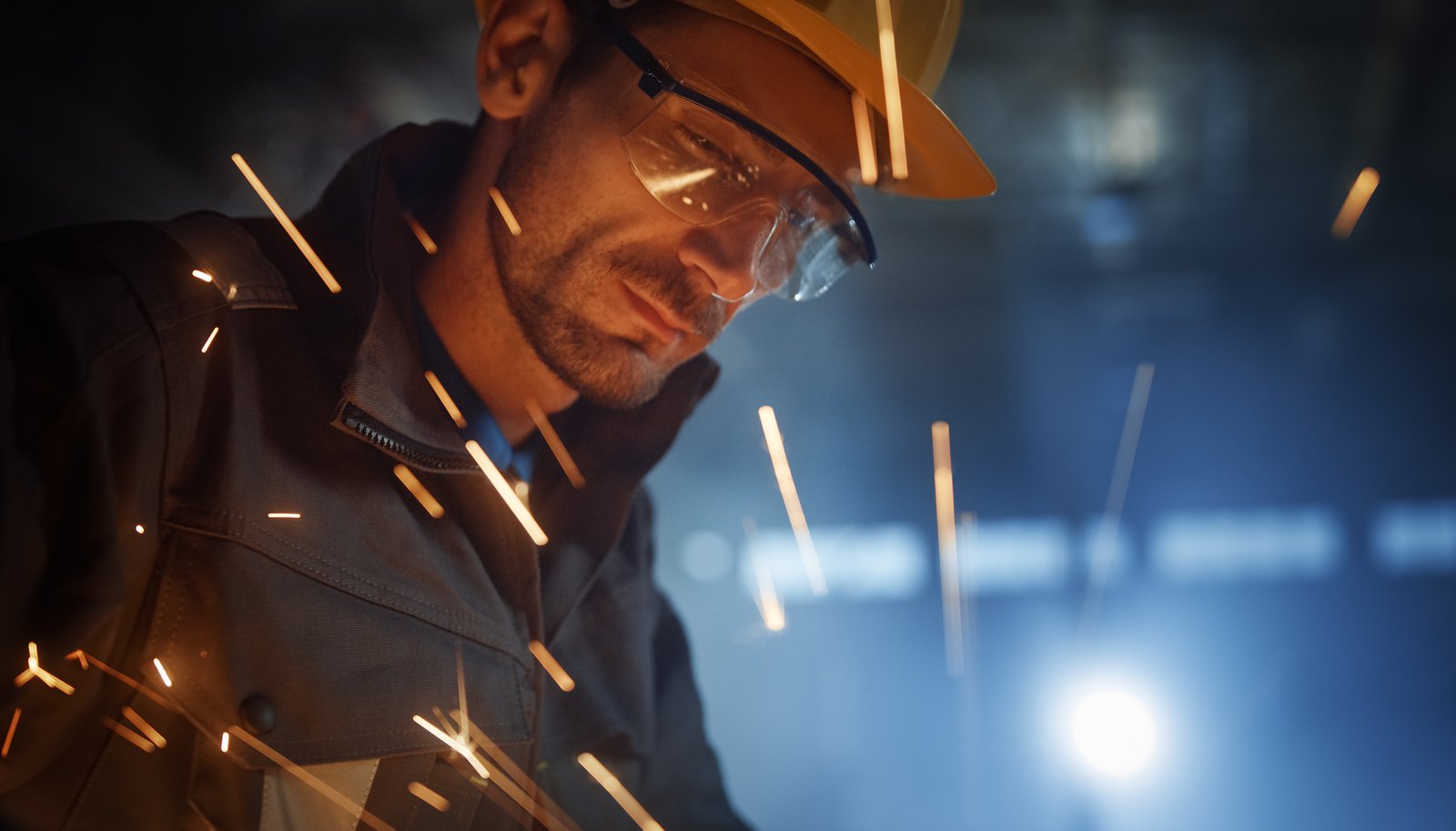
Field fabrication brings a torch and a welder into buildings full of dust, oil and stored material. A plant can
require a hot work permit, a fire watch and proof of liability coverage before the first arc is struck, and
a fire that starts from your spark is a liability loss that can reach well past the area you were working in.
A machine on a lowboy
A lowboy carrying a machine across a state line is an auto exposure and a cargo exposure at once. The auto policy
answers for the crash; the machine on the deck needs its own answer, from a floater or a cargo form. Ask about both
before the haul, not after the claim.
What the plant asks for before you start
Before your crew is badged into a plant, someone in its purchasing or safety office hands over the insurance terms
of the contract: additional insured status for the plant, your insurer giving up its right to recover from the
plant, your coverage responding ahead of the plant’s own, and a stated limit for each line. Read it while you are
still pricing the job. A missing endorsement found after the bid is won turns into a delay at the plant gate, while
one found during bidding is a line on the agent’s worksheet.